
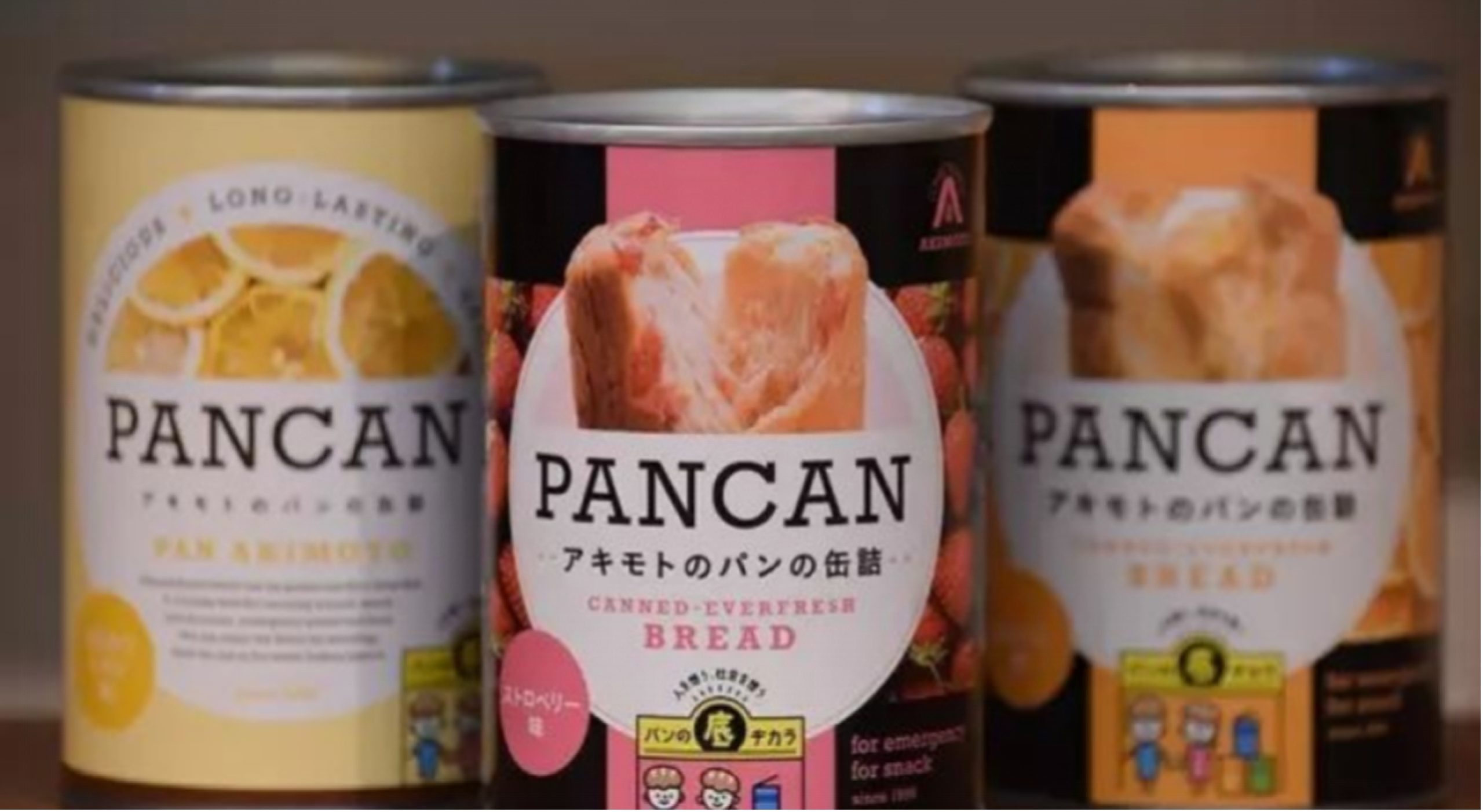
Figure 1 The canned bread was created by the 70-year-old PANAKIMOTO bakery, and the opportunity for its invention came from the Great Hanshin Earthquake 22 years ago.
“Bread tin” is unheard of for many people, let alone the soft and fragrant taste when opened after being stored for three years. However, it is a mature product that has been selling well in Japan for 21 years.
Originated from the invention of the Great Hanshin Earthquake 22 years ago
Bread tins were created by the 70-year-old PANAKIMOTO bakery, and the opportunity for its invention came from the Great Hanshin Earthquake 22 years ago. At that time, the bakery had delivered a large amount of bread for disaster relief. Although the taste of the bread was highly praised by the victims, most of the bread had to be discarded because it could not be eaten within the shelf life. This made Mr. Yoshihiko Akimoto, the 63-year-old president of PAN AKIMOTO, think of making bread into cans.

Figure 2 The inventor of bread cans, PAN AKIMOTO, President Yoshihiko Akimoto.
As we all know, bread is not suitable for long-term storage due to its moisture-prone bacteria. Previously, in order to extend the shelf life on the premise of maintaining the delicious and soft taste of the bread, Yoshihiko Akimoto had done many explorations including vacuum packaging, but they all failed. The biggest difficulty was to keep the bread soft.
Why was President Akimoto able to use metal cans with great success in the end? The key is that he pioneered the use of special paper with good water absorption in the can, put the dough on it, and then sent the can to the oven to bake, so that the can and bread can be sterilized at the same time, so that the shelf life can be as long as 3 years. as long as.
The Sino-Vietnamese earthquake and the launch into space made the bread tin an unprecedented grand occasion and went to the world。
The research and development process of the canned bread took a whole year, and the sales were mediocre for several years after the launch, with only thousands of cans per month. The turnaround occurred in the 2004 Chuetsu earthquake in Niigata Prefecture, which led to a surge in production and sales. The daily production of 5,000 cans is still far from being in short supply, and the popularity has continued to this day – 2 million cans are sold every year.
Five years after the second earthquake, in 2009, canned bread became famous again because it was taken to space as a sample of preserved food, attracting attention from the world, and its footprints started from a corner of the Japanese island country all over the world. It is reported that this exclusive technology has obtained patents in four countries and regions: Japan, the United States, China and Taiwan. Its long shelf life makes it a delicious emergency stockpile, camping food, barbecue companion, and a little warm-up before opening the can to taste freshly baked bread.
It is reported that since February this year, the canned bread has been produced and trial-sold in bakeries in San Francisco, USA.